
This post is meant to describe delegating and being a delegator on the Metal Blockchain.
In the blockchain world, delegating is a form of participation in a particular blockchain’s ecosystem.
Let’s start out with some definitions.
Definitions
blockchain
a decentralized, immutable ledger. You can think of a blockchain as a database that once written can never be updated, and because it is decentralized, many copies of this database exist across the internet. Metal Blockchain is one instance of a blockchain. See metalblockchain.org for more details specific to Metal Blockchain.
token
a cryptographic asset that can be utilized in a blockchain. Examples of tokens include USDC (US dollar coin), which represents the US dollar and MTL, a utility token which allows holders to have lower fees on Metal Pay. These are often referred to as cryptocurrencies, but not all tokens are intended to act as currencies.
consensus
a method of agreeing on an outcome. Blockchains need a way of ensuring that the data written on-chain is accurate. Each blockchain will use a consensus mechanism for this. The two most commonly used consensus mechanisms are proof-of-work (bitcoin) and proof-of-stake (metal blockchain). For more info on the differences see here. Metal Blockchain uses the proof-of-stake method for verifying transactions, aided by Avalanche consensus.
validator
a node participating in consensus. A validator uses a piece of software that runs continually. It keeps a copy of the blockchain, and it uses its tokens to create and validate new blocks. If a validator is a good actor, it receives rewards. If it is a bad actor, it receives no rewards. Rewards are commensurate with the size of the stake.
stake
tokens used by a validator to participate in consensus. Validators must put up a stake, and they are incentivized to act honestly by the potential rewards they will earn for doing so. Tokens used in staking are locked up for some period of time. While they are locked up, they can not be withdrawn. For Metal Blockchain, this would be METAL tokens.
delegator
an individual that delegates tokens to a validator. Delegating tokens is also known as staking. A delegator stakes their tokens and will receive them back when the staking period ends. The delegator will also receive a share of the rewards.
What / Why
So, delegating is a form of participation in a blockchain ecosystem. An individual delegates tokens to a validator. The validator, in turn, uses those tokens to actively participate in the operation of the blockchain.
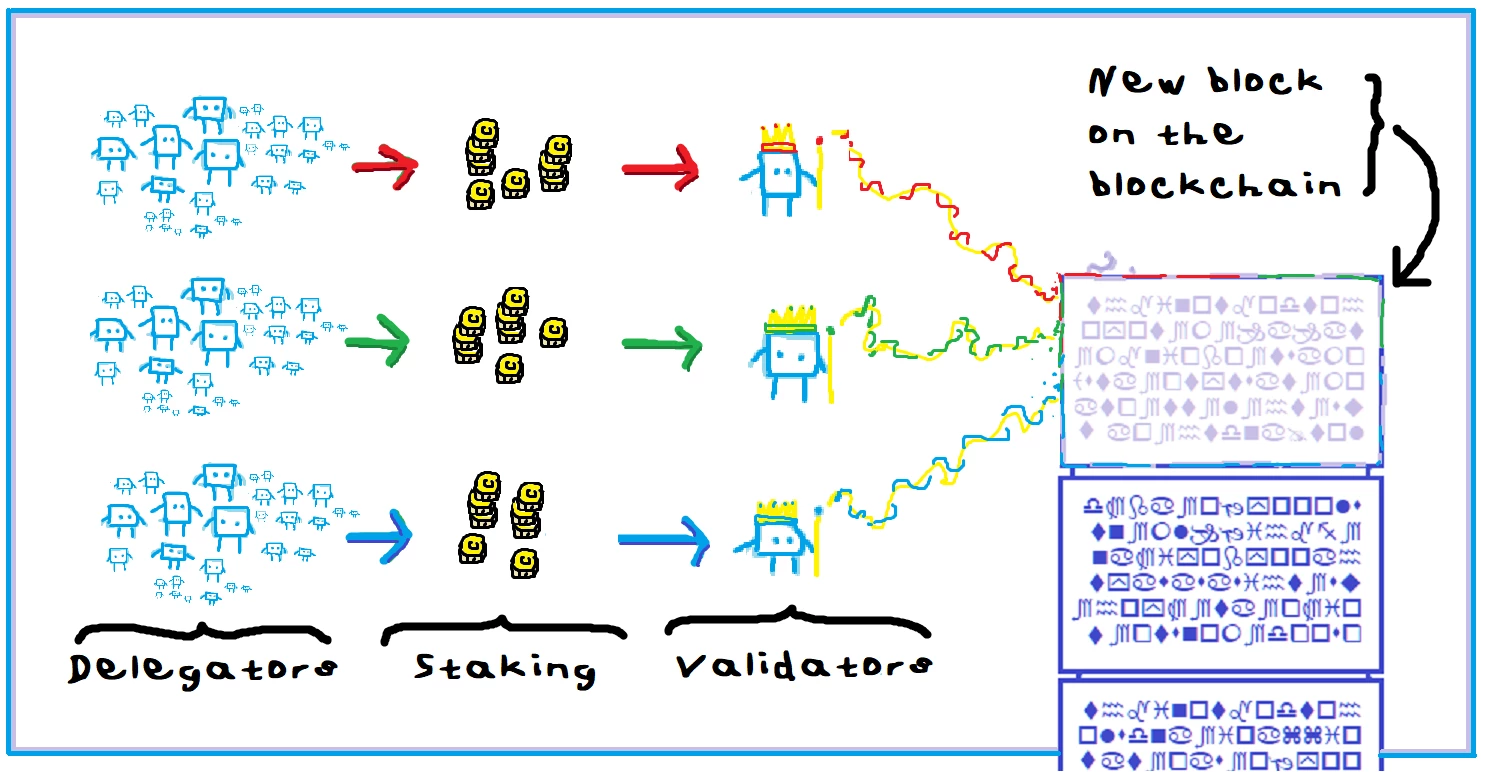
What am I doing when I delegate?
You are purchasing tokens and then locking them up for a period of time.
Why is this useful for the Metal blockchain?
You are helping to ensure the accuracy and security of the blockchain. A healthy blockchain needs many different validators and many stakers to ensure that there can be no monopoly over the operation of the chain.
What’s in it for me?
Rewards and support of the blockchain ecosystem and community.
What are my ongoing responsibilities?
There are no ongoing responsibilities. When the staking period ends, you can withdraw your tokens or re-stake.
What are the risks?
There are no risks for your METAL tokens. When the staking period ends you get them back. However, the $ value of your tokens could go down while you have them locked up. And you may not receive any rewards if there are problems with the validator you chose.
How do I go about becoming a delegator?
Prerequisites
- Proton account in webauth, https://webauth.com
- Metal Pay account, https://metalpay.com
Steps
- Create a metal blockchain wallet, https://wallet.metalblockchain.org
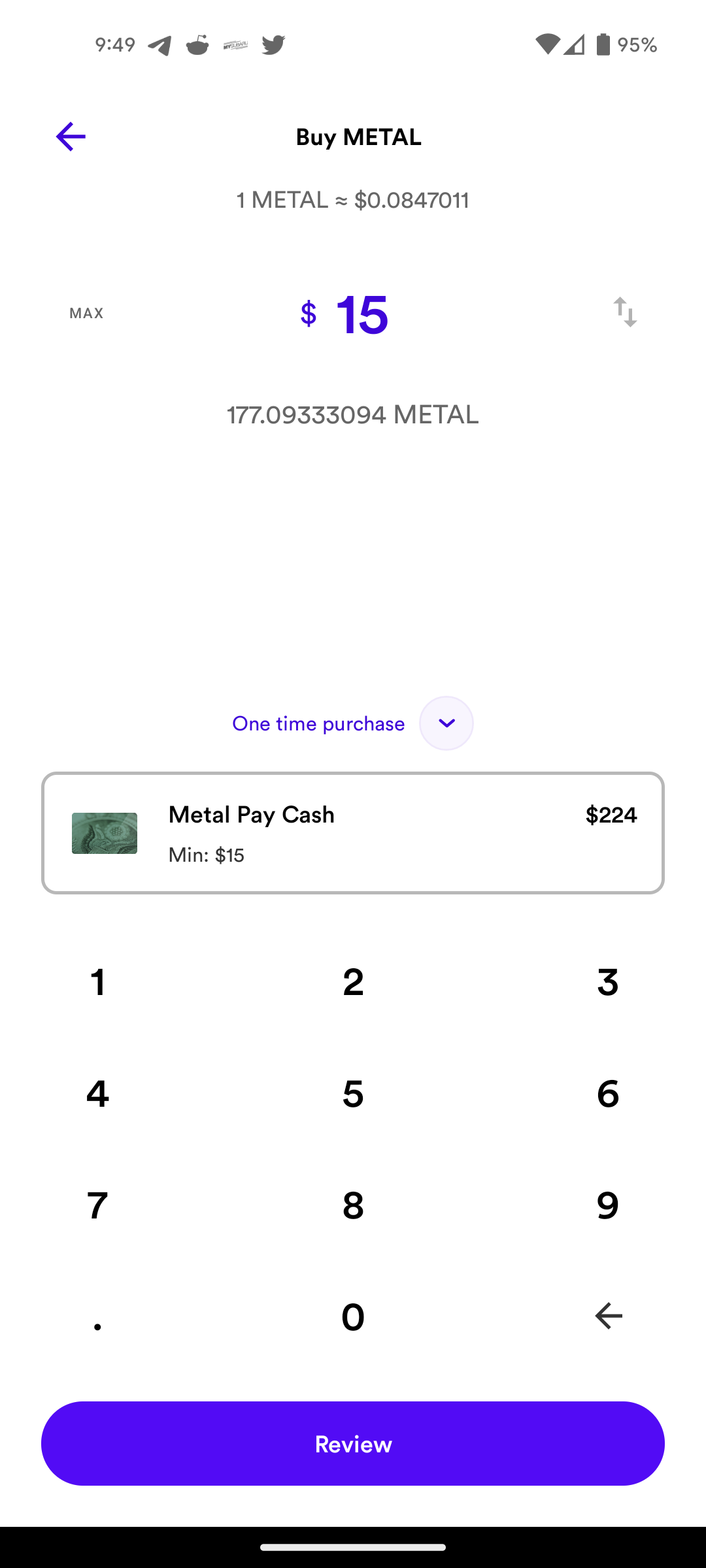
- Purchase METAL in Metal Pay
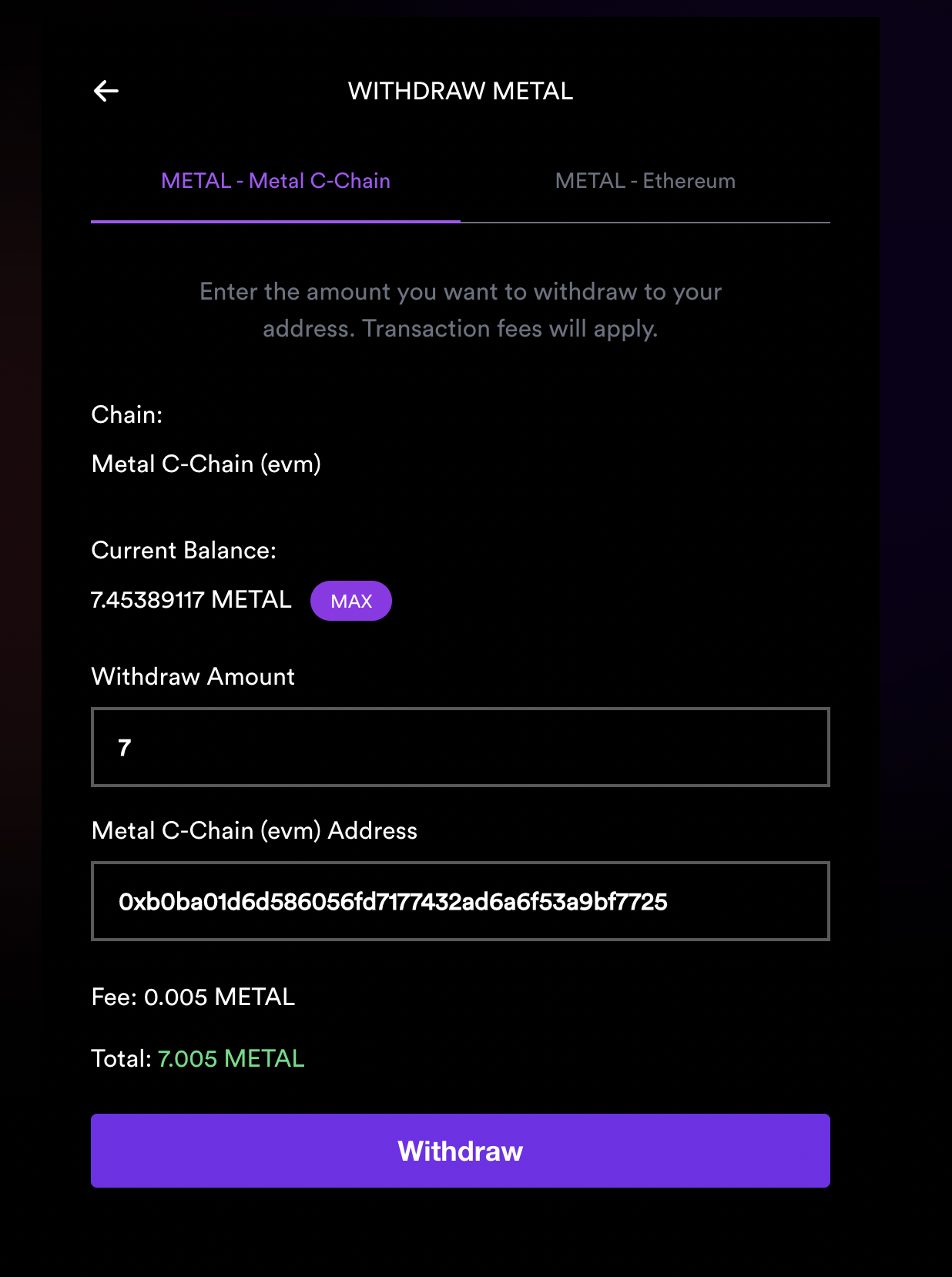
- Withdraw METAL to your proton chain account
- Use the Proton Bridge to send your METAL to your metal blockchain wallet (C-chain)
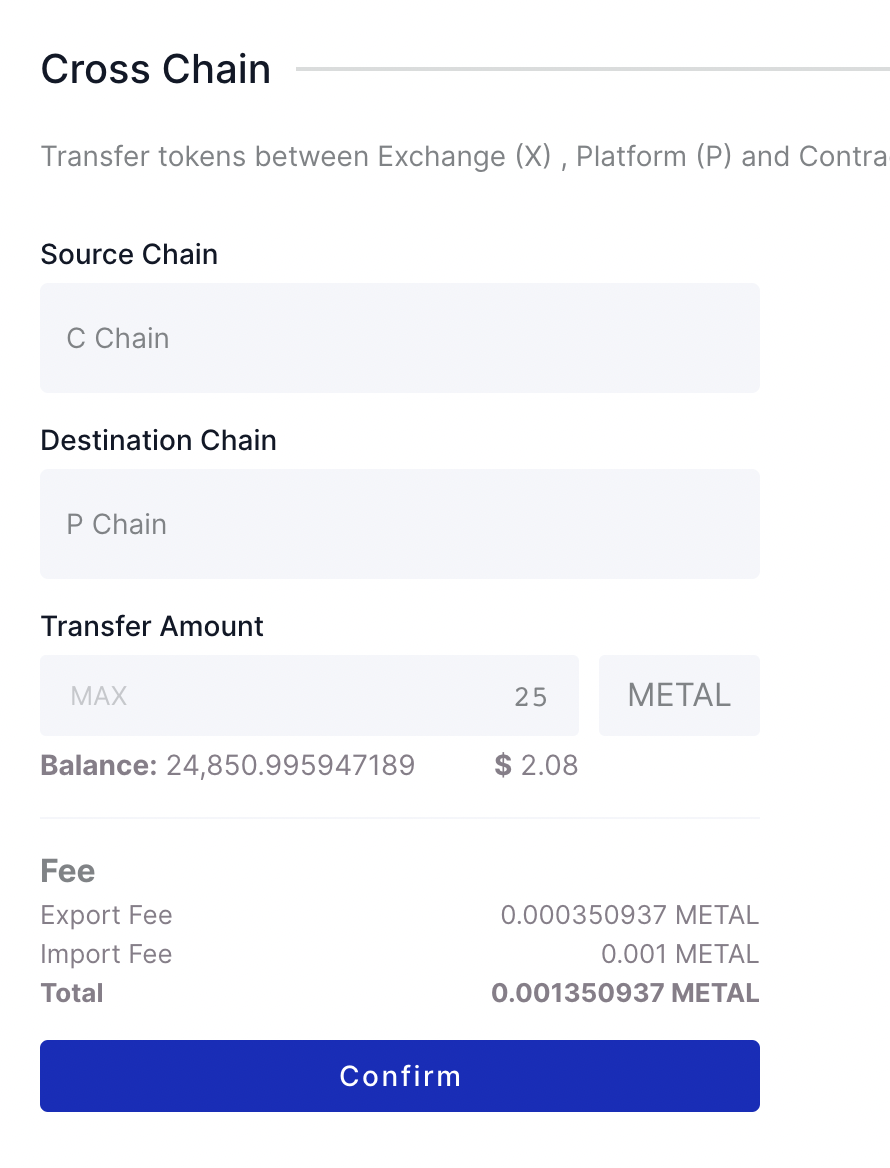
- Move tokens from the C-Chain to the P-Chain
- Delegate your tokens to a validator
That’s it. Your tokens are staked. You are a delegator. When the staking period ends, the rewards will be sent to your wallet.
Screenshots
Purchase METAL on Metal Pay
Withdraw METAL to Proton Account

Use the Proton Bridge to send METAL to the METAL Blockchain, https://protondex.com/bridge.
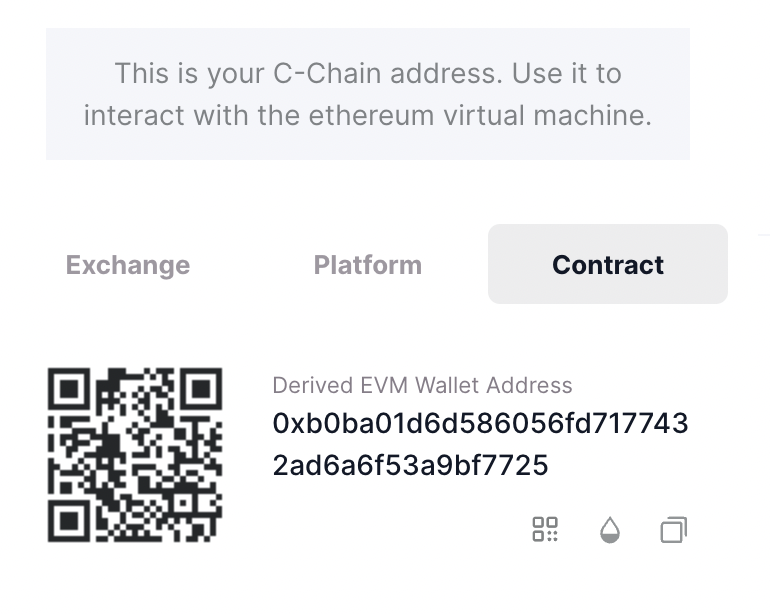
To find your C-chain address in your METAL Blockchain wallet – On this widget on the home page, go to the Contract tab. 0xb0ba01d6d586056fd7177432ad6a6f53a9bf7725 is the C-chain address for this wallet.
Move tokens from the C-Chain to the P-Chain:
Delegate to a validator, choose validator:

Delegate to a validator, choose the amount and term:

 In the sludgy, squdgy creek